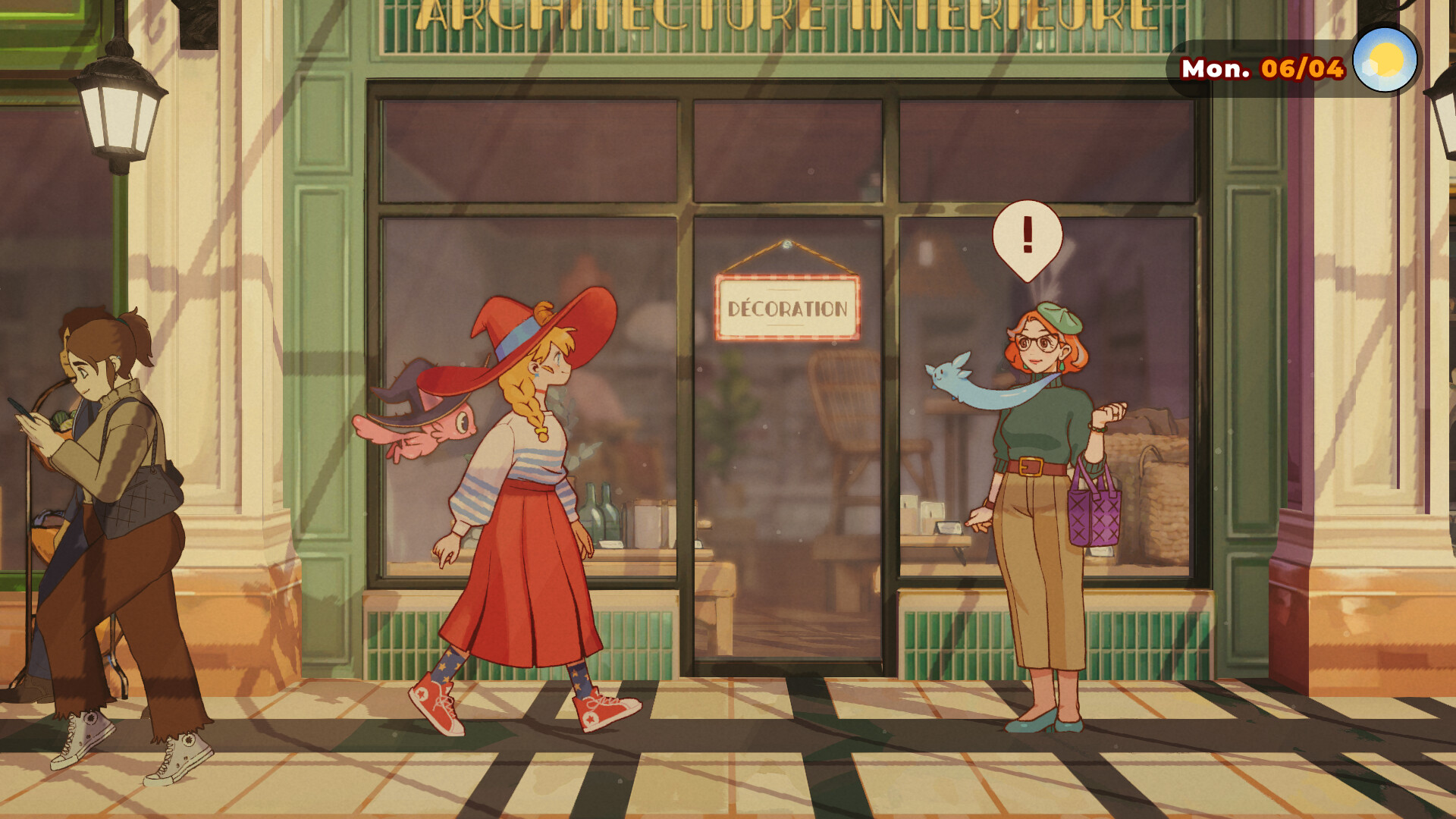
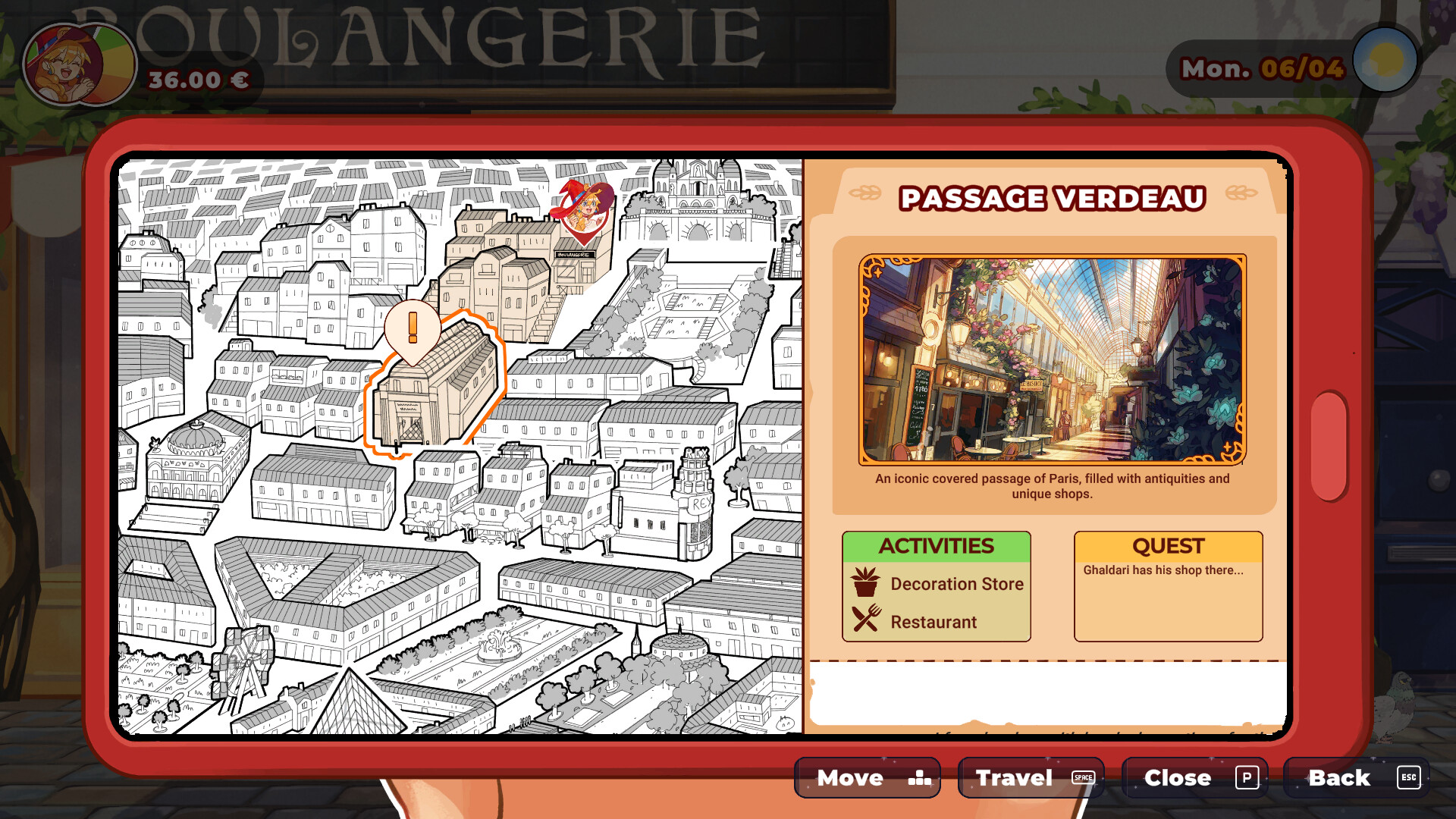
Bakery service & atelier recipes
The daytime workstation replenishes dough for Orio's baking. The night-time atelier runs the longer recipe-practice sequence. A low star rating does not identify one failed step.
Service dough and atelier recipes do different jobs
Use the bakery workstation to replenish dough during service. Use the atelier at night for the longer recipe-making sequence. Orio handles the shop's baking while Lunne supplies dough and serves customers; you do not perform the entire night-time recipe routine for each daytime order.
Empty daytime stock is a dough-supply problem; a two-star atelier result is a recipe-practice result. Watch dough counters even after practicing a recipe.
| During the workday | At night in the atelier |
|---|---|
| Watch the remaining dough supply | Select the recipe you want to practice |
| Refill the dough needed for upcoming bread | Follow the ingredient and preparation prompts |
| Read customer orders and collect finished items | Complete the longer shaping and baking sequence |
| Keep the carrying tray organized | Review the result, then decide whether to retry another night |
A simple service routine
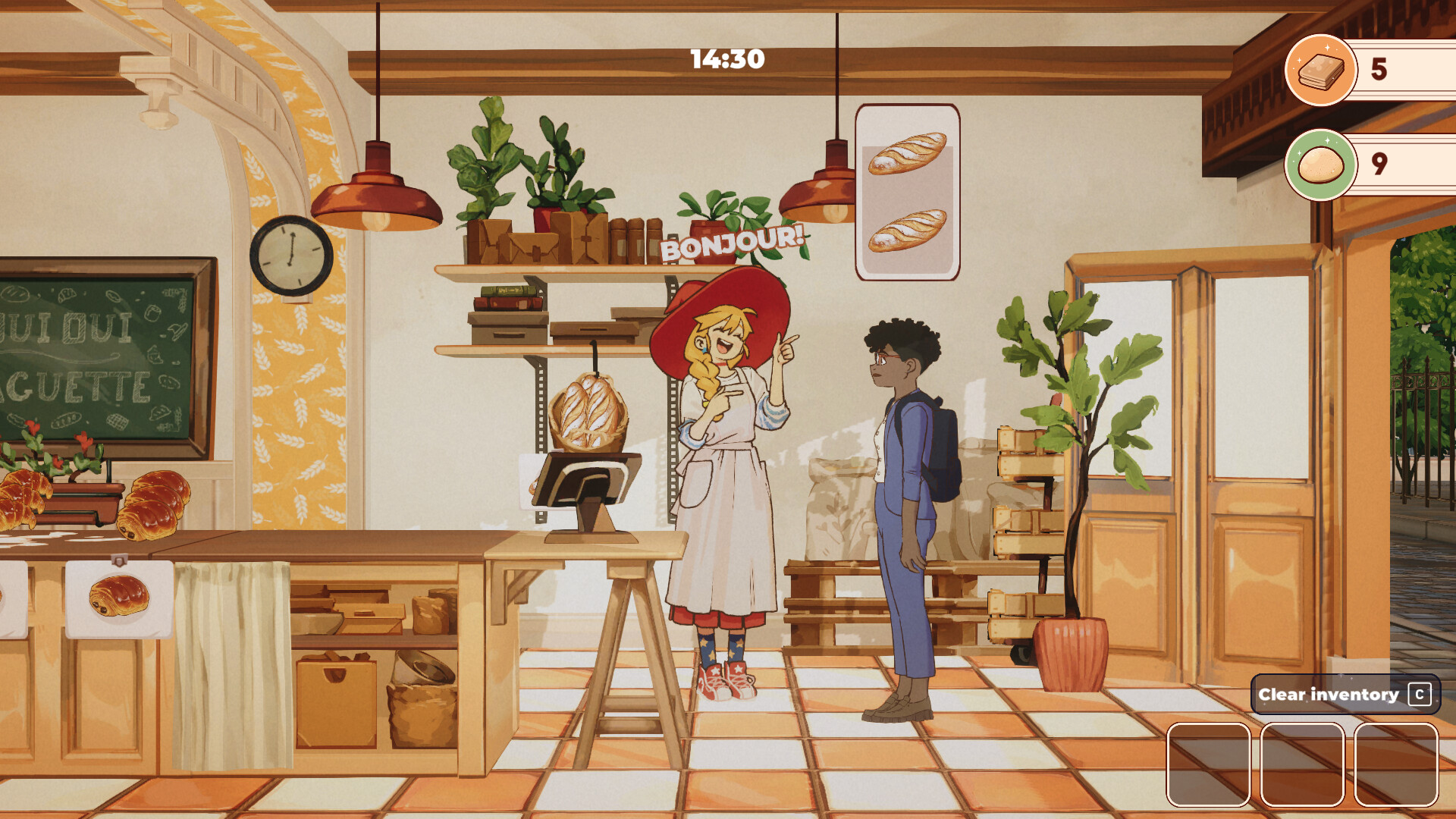
Begin by looking at both dough types shown in the upper-right counters. Prepare the one you need, then return to the serving area and read the customer's requested bread. The stock counter and the dough counters tell you different things: a finished pastry is ready to collect, while dough is the supply used to keep baking.
For your first shifts, handle one customer order before collecting an unrelated item. The shown tray holds three items, which helps with larger orders but also makes an accidental second pickup easy. Count the request before filling the tray. If you picked up the wrong bread, clear the tray using the on-screen inventory prompt and collect the correct order.
Official PC screenshots show C for clearing inventory. Do not rely on that key if you have rebound controls or are using a controller; the displayed prompt takes priority.
Refill during quiet moments. Waiting until dough and finished stock run out adds a trip when the next customer needs service. This advice assumes no fixed customer timer or hidden penalty.
Read the recipe card before adding ingredients
The atelier recipe card lists what the current recipe needs. Read the ingredient name and amount rather than identifying everything by bowl shape. Demo feedback includes a player mistaking butter for sugar; visually similar containers are a reason to check the label, not to memorize an unsupported universal shelf order.
The official baguette illustration shows this card:
| Ingredient | Amount on the illustrated baguette card |
|---|---|
| Water | 340 g |
| Flour | 500 g |
| Salt | 9 g |
| Yeast | 3 g |
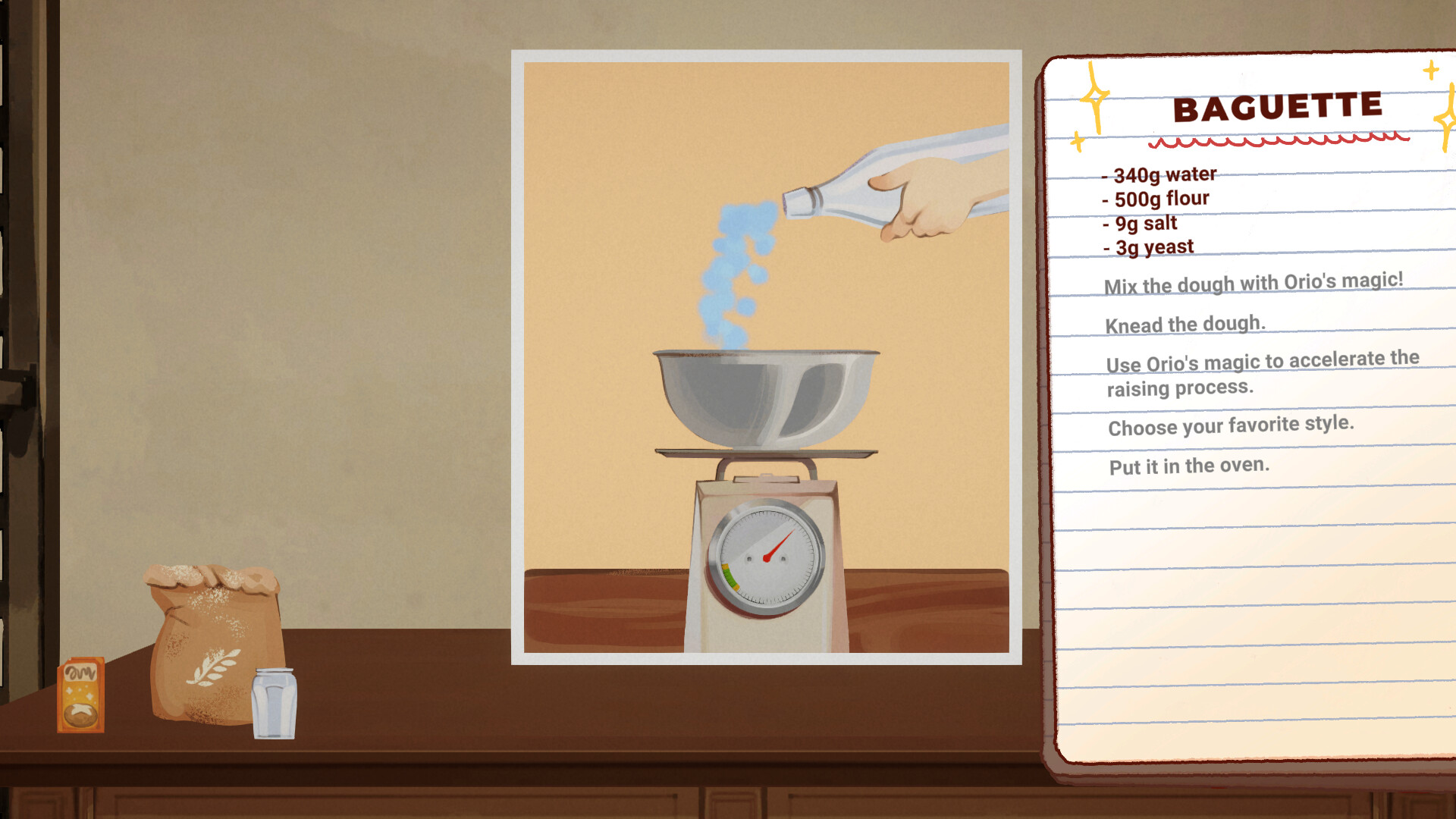
These are in-game values from the official image. Check your current card: they do not establish real-world baking instructions or quantities for other recipes.
The same baguette card shows a sequence of mixing with Orio's magic, kneading, accelerating the rise, choosing a style, and baking. Follow the active step rather than jumping ahead because you know how the finished bread should look. A cosmetic style choice and a preparation instruction are not interchangeable.
Rolling dough without chasing the wrong shape
In demo feedback, a player described the rolling guide as square even when the correct finished dough was rectangular for the recipe. That makes it unsafe to assume every recipe should end as a perfect square.
A useful retry procedure is to watch the active instruction, rolling guide, and completion transition together. Stop treating the outline alone as the objective if the game has already accepted the step. On your next attempt, focus on how your input changes the dough and when the next step becomes available.
The recorded demo's player later identifies rolling as the part they had been getting wrong. That is a clue to inspect the step, not proof that rolling is the only possible cause of a low score. Ingredients and other preparation stages still belong to the recipe.
What a two-star result does and does not tell you
A two-star result tells you the finished attempt was not awarded the highest shown rating. It does not identify the failed step on its own. The available material does not establish the scoring weights, tolerance ranges, or a guaranteed three-star shortcut.
For a useful retry, change one thing you can observe:
- Check each ingredient against the card instead of selecting it from memory.
- Follow the rolling instruction and watch when the game accepts the shape.
- Complete the prompted preparation sequence in order.
- Compare the new result with the previous attempt.
Keep the remaining steps as consistent as you can. If you change quantities, rolling, and timing together, a better score will not tell you which correction mattered. This is a way to diagnose your attempt; it does not promise a particular star rating.
The recorded playthrough receives three stars for a croissant at 52:33 and two for a later recipe at 1:19:29. Ratings vary; the commentator's price jokes do not establish a sale-price formula.
Fit practice into the evening
Shop browsing, evening activities, and night-time atelier work occupy different parts of Lunne's day. If you want an outing as well as recipe practice, decide on the outing before calling it a day. Then use the available night option and rest when you are finished.
You do not need to perfect every recipe before progressing through the demo's story. If a recipe is frustrating, continue the next workday with the basic service routine, read new messages, and return to practice when you want to compare another attempt.
See the daily schedule guide for the activity limit and the first-days route for the opening story checkpoints.
The separation between service and atelier work is visible in the February demo recording, especially 9:29, 30:28, and 51:29. Rolling and ingredient confusion are reported in the demo feedback thread; the illustrated recipe card comes from the official Steam store.